NFC TAP
INSTANT ACCESS
NO QR REQUIRED
MULTILINGUAL
NFC-Enabled Experiences for
Museums, Zoos and Attractions
A Simple Path from Tap to Discovery
Choose a touchpoint, unlock content, and continue the journey.
Tap an NFC Point
Visitors tap an exhibit marker, sign, card, or point of interest with their smartphone.
Open Instantly
The relevant exhibit experience opens immediately on their device without extra steps.
Explore & Interact
Listen, watch, read, or engage with stories, audio narrations, and activities.
Continue the Journey
Move on to the next stop, challenge, or related exhibit experience seamlessly.
Three Ways to Make Every Tap More Meaningful
Instant discovery, interactive learning, and active visitor engagement.
Tap an NFC Point
Visitors tap an exhibit marker, sign, card, or point of interest with their smartphone.
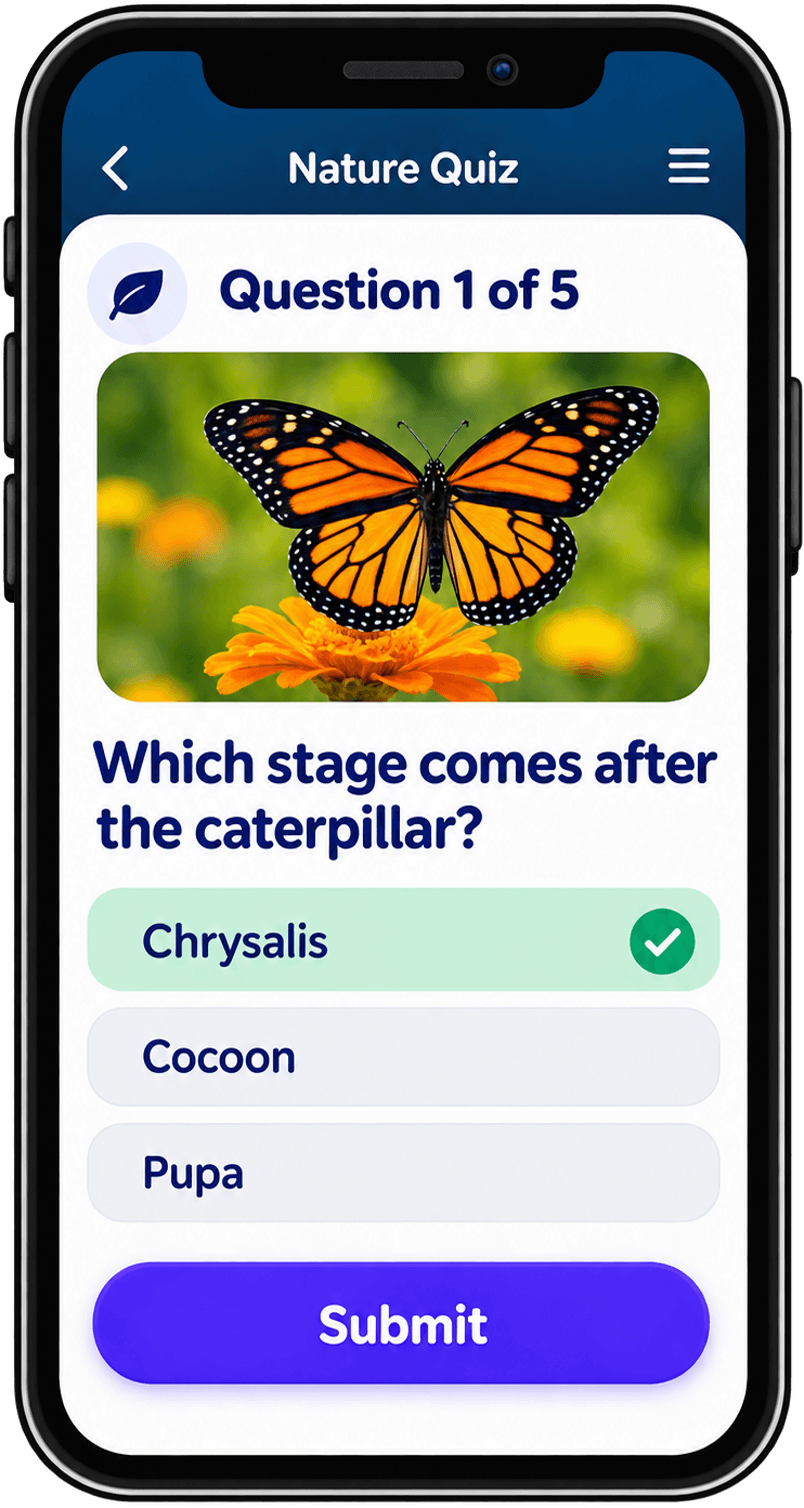
Tap to Learn & Listen
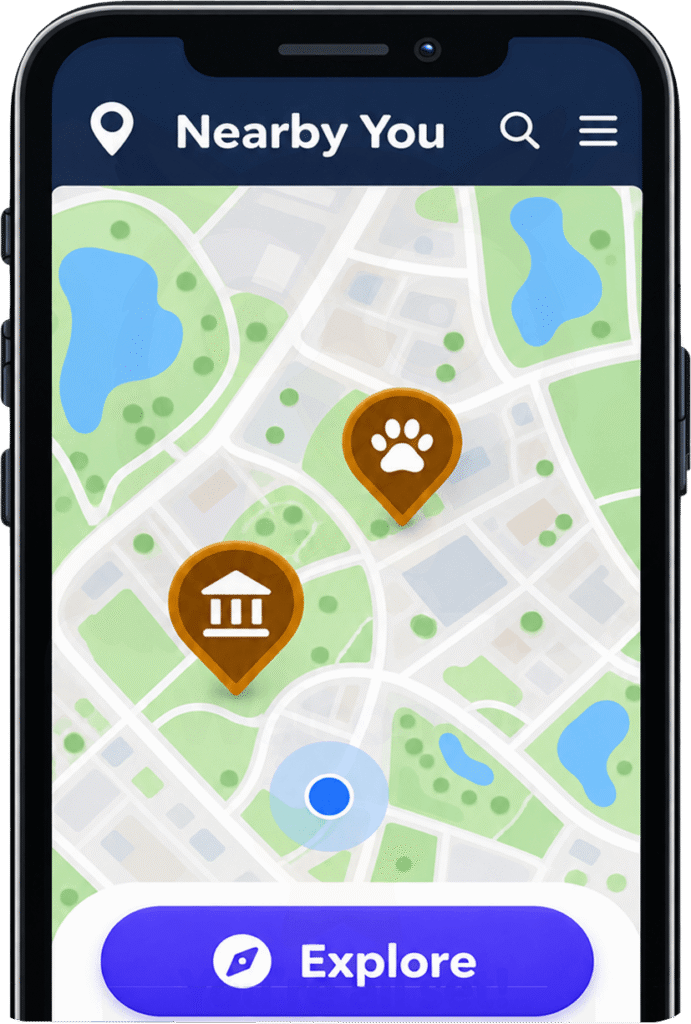
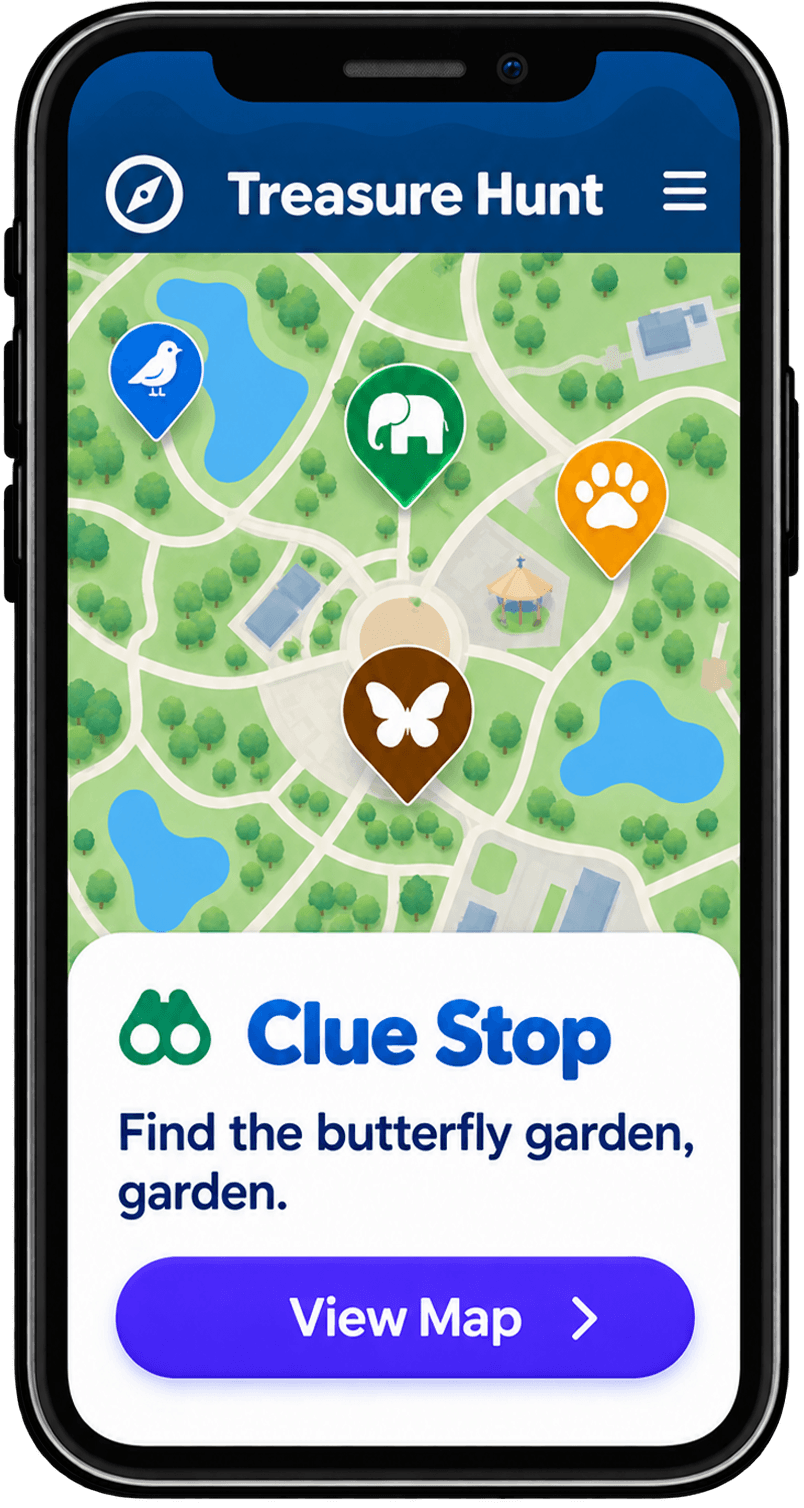
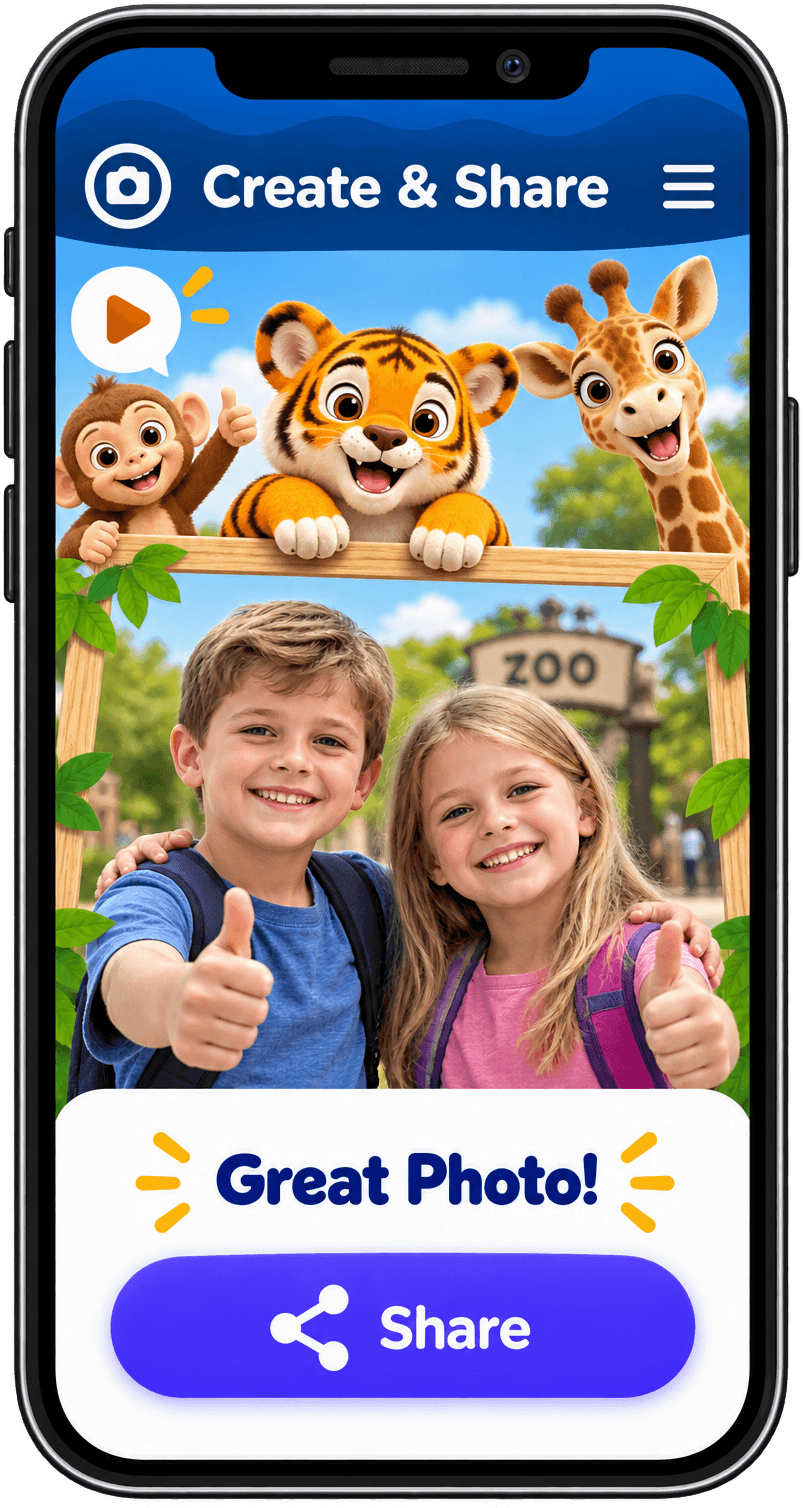
Tap to Engage
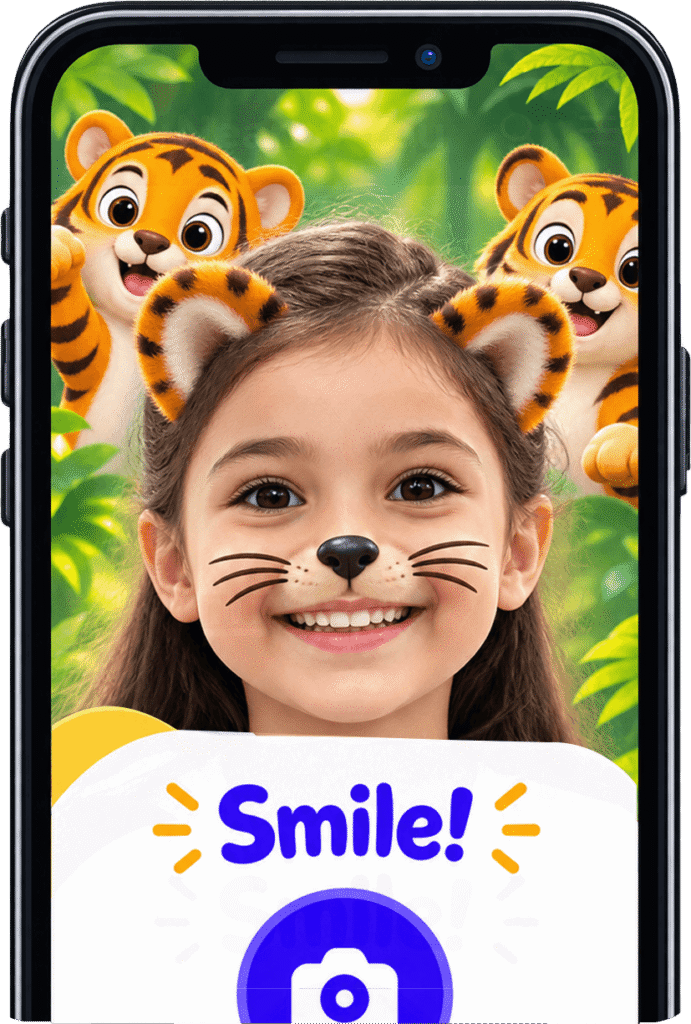
See NFC in Action
Different taps. A more seamless visitor experience.
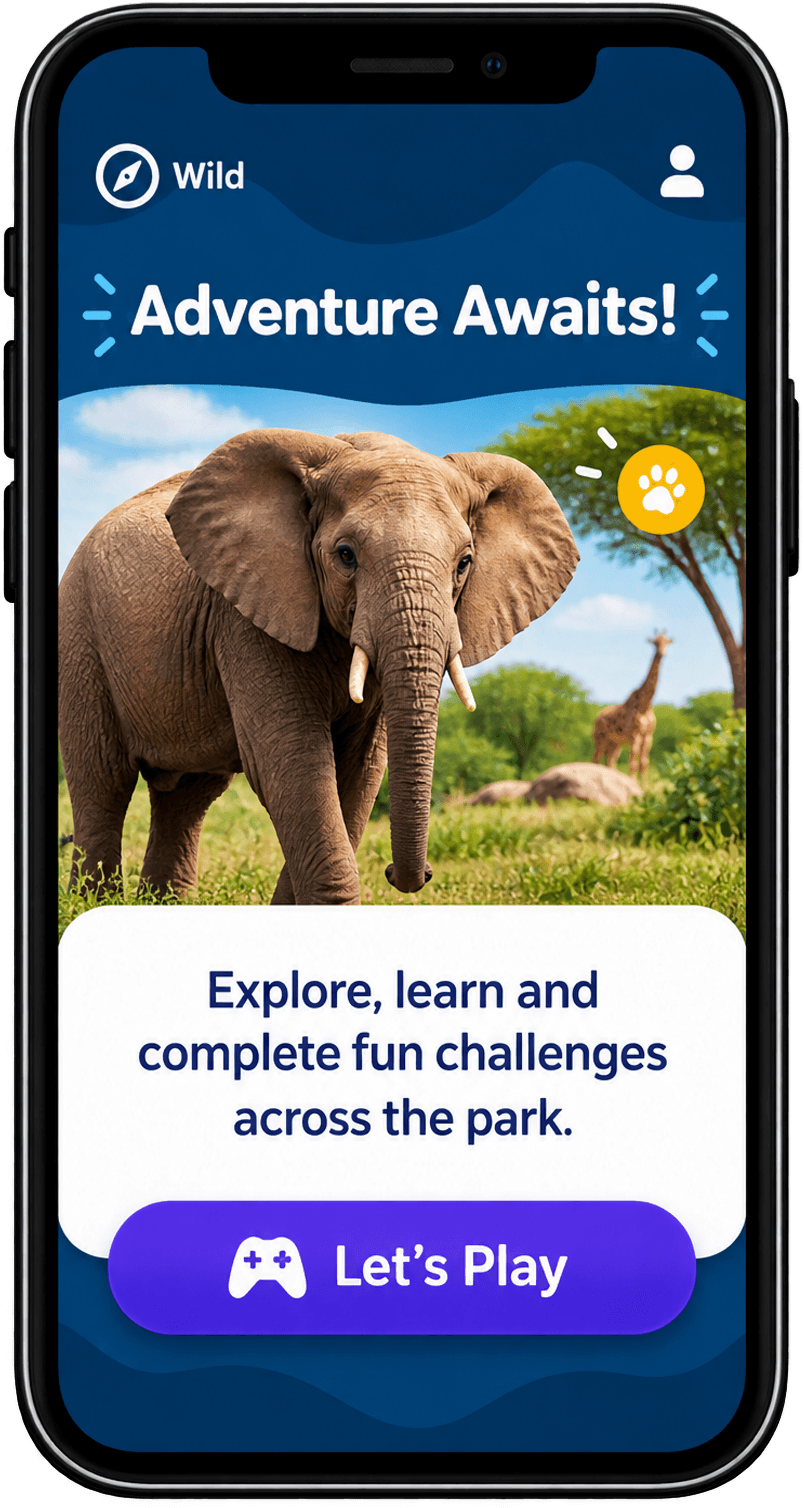
Notice the NFC Touchpoint
Look for an NFC marker or sign at the exhibit.

Exhibit Story Opens
Instantly see rich exhibit details on your smartphone.

Listen and Learn
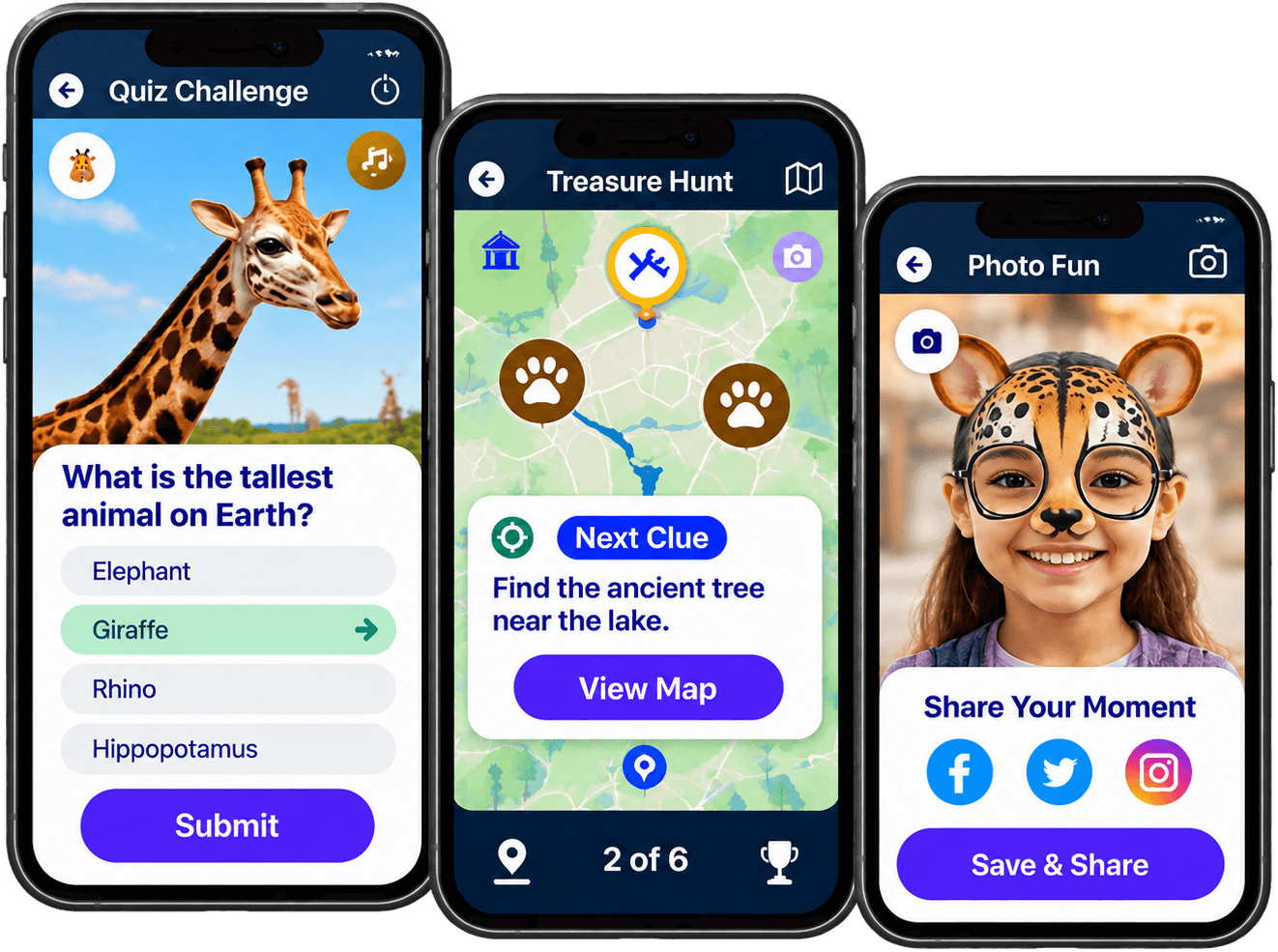
Enjoy audio clips, videos, and interactive media.

Take a Quiz or Find Next Stop
Continue with a challenge, trail stop, or related experience.

Maximum Value for Visitors and Venue Teams
From arrival to exploration, the app guides every step for an effortless experience.
For Visitors
For Venue Teams
Explore Related Pigeon-Tech Experiences
Clue-led visitor adventures
Searchable venue navigation
Participation & dwell metrics
Custom branded app experience
Turn a simple tap into a smarter visitor experience.
Frequently Asked Questions
An NFC-enabled visitor experience uses Near Field Communication (NFC) to connect a physical location or object with relevant digital content. A visitor simply taps a compatible NFC-enabled smartphone at a designated NFC touchpoint, such as an exhibit label, sign, habitat marker, card, or point of interest. Pigeon-Tech can then open the experience associated with that location, such as exhibit details, stories, audio, video, images, quizzes, trails, or other interactive content. The goal is to reduce the number of steps between the physical experience and the digital story.
No. NFC provides a tap-to-open interaction, so visitors do not need to position a camera or scan a QR code. They tap their compatible phone at the NFC touchpoint and the linked experience can open immediately. This can create a faster and more natural interaction, particularly at exhibits where visitors are already standing close to the object or display. QR codes can still be used as an optional fallback where a venue wants to support additional device scenarios.
No dedicated rental device is required for a standard NFC visitor experience. Visitors can use their own compatible NFC-enabled smartphone. This can reduce the need for attractions to purchase, distribute, charge, sanitize, store, and maintain separate audio-guide hardware. The exact experience available to a visitor will depend on the phone, operating system, connectivity, and the configuration chosen by the venue.
Yes. An NFC touchpoint can be linked to a rich digital experience rather than only a simple web page. Depending on how the venue configures the content, a tap can open narrated stories, audio interpretation, video, image galleries, exhibit information, conservation stories, educational content, or other multimedia. This allows a physical exhibit to carry much more interpretation than can fit on a printed sign.
Yes. NFC can act as the physical trigger for an interactive experience. For example, a visitor may tap at an exhibit to unlock a quiz question, reveal a clue, continue a treasure hunt, open the next activity, or access a challenge associated with that location. This is especially useful when an attraction wants digital participation to remain connected to the visitor’s physical journey through the venue.
Yes. NFC itself is the trigger; the content that opens can be configured by the venue for different audiences. The linked Pigeon-Tech experience can present text, audio, video, or other content in multiple languages where those translations are available. It can also work alongside accessibility features such as readable text layouts, audio content, captions or transcripts, and other accessibility options supported by the experience. This allows one physical touchpoint to lead different visitors to content that better matches their language or accessibility needs.
For a standard tap-to-open experience, the primary on-site hardware is the NFC tag or NFC-enabled marker installed at the relevant exhibit, sign, habitat, or point of interest. Visitors use their own compatible smartphones to interact with it. The venue does not typically need a dedicated scanning device for each visitor. Additional infrastructure may be required only if the venue chooses to combine NFC with other technologies or specialized experiences.
Yes. The NFC touchpoint can remain in place while the digital content associated with it is updated through the platform, depending on the implementation. This makes NFC useful for exhibits and attractions where stories, media, seasonal information, educational material, quizzes, or calls to action may change over time. The physical marker does not need to become the content itself; it acts as the bridge to content that can be managed digitally.
Yes. When NFC interactions are connected to Pigeon-Tech analytics, the venue can track engagement events such as NFC taps and use that information alongside other visitor-interaction data. This can help teams understand which NFC-enabled exhibits or locations are attracting attention and how visitors are engaging with the digital experience. The specific analytics available depend on the tracking configuration implemented for the venue.
The three technologies can complement one another, but the visitor interaction is different. With NFC, the visitor intentionally taps a physical touchpoint to open an experience. With AI Recognition, the visitor can point a camera at a supported animal, artifact, exhibit, or object and allow the system to identify what they are seeing. With location-aware experiences, content can be made available based on the visitor arriving in a designated area. Together, these approaches give attractions multiple ways to connect the physical environment with digital content: point, tap, or arrive.
NFC can be used anywhere a venue wants a visitor to move quickly from a physical moment into a digital one. Examples include museum artifacts and galleries, zoo and aquarium habitats, science-center exhibits, historic locations, botanical gardens, temporary exhibitions, trails, tour stops, sponsor activations, and educational stations. The most effective touchpoints are usually placed where there is a clear reason for the visitor to learn, listen, interact, or continue the journey.
The main benefit is lower friction. Instead of asking visitors to search through an app, find the right exhibit, type a URL, or scan a code, NFC can connect the physical place directly to the relevant digital experience with a simple tap. For visitors, that can mean faster discovery and a more intuitive self-guided experience. For venue teams, it creates another configurable way to connect exhibits, stories, educational content, interactive activities, and analytics within the broader Pigeon-Tech platform.